Showing posts with label home based work. Show all posts

Monday, 11 November 2013

Estrogen Deficiency

Estrogen Deficiency

Estrogen is a female hormone responsible for female sexual development and reproductive function. It is found in greater amounts in females than males. Estrogen deficiency leads to menopause.

What is estrogen

Estrogen is commonly defined as "any family of steroid hormones that regulate and sustain female sexual development and reproductive function".  Estrogens are steroid hormones, made primarily in the female ovaries and the male testes in humans and animals. Known as the female hormones, estrogens are found in greater amounts in females than males.


Why is estrogen important

These essential molecules influence growth, development and behavior (puberty) regulate reproductive cycles (menstruation, pregnancy) and affect many other body parts (bones, skin, arteries, brain etc.)

Modern scientists also define estrogens as materials that stimulate tissue growth by:

Promoting cell proliferation DNA synthesis and cell division in female sex organs breasts, uterus)
Promoting hypertrophy or increasing a cell size, such as which occurs in female breast and male muscle during puberty and initiating synthesis of specific proteins.
The principal functions of estrogen are to control and regulate the following: uterus and external sexual organs, fallopian tubes, breasts, skeleton, protein deposition, bone density, metabolism and fat deposition, hair distribution and skin.

What are the consequences of estrogen deficiency

The major clinical consequences of the post-menopausal period may be attributed to the estrogen deficiency.  The 'menopausal syndrome' refers to a group of physical and psychological symptoms commonly experienced in the climacteric period due to estrogen deficiency.  But as these symptoms often predate menopause, they are also a result of relative estrogen deficiency as well as to fluctuating levels of ovarian hormones.


Common Symptoms of menopause :

Symptoms of menopause varies from woman to woman. Common symptoms are vaginal dryness, depression, tiredness and headaches. Given here is a list of menopausal symptoms and its frequency.

What are the symptoms of menopause (or estrogen deficiency)

The symptoms of menopause are varied, insidious and can frequently be misdiagnosed as endogenous depression, migraine or general debility. However, vasomotor symptoms and vaginal dryness in association with depression, tiredness and headaches of recent onset are characteristic of menopause or estrogen deficiency (although these may not be the initial presenting symptoms or the most distressing symptoms).

The major long-term problems of menopause include the development of adverse changes in blood lipoprotein concentrations, the generalized atrophy of connective tissues and the progressive reduction in bone mass (risk of osteoporosis).


How common are the various menopausal symptoms

Frequency of menopausal symptoms in women aged 45-54 years.


Complaint % of women
Irritability 92 %
Lethargy 88 %
Depression 78 %
Flushes and night sweats 75 %
Headaches 71 %
Forgetfulness 64 %
Weight gain 61 %
Insomnia 51 %
Joint and muscle pain 48 %
Palpitations 44 %
Crying spells 42 %
Constipation 37 %
Dysuria 20 %
Decreased libido 20 %


Sunday, 3 November 2013

GET SENSATIONAL SKIN

What woman wouldn't love to have soft, smooth skin silky to the touch? However, thanks to body hair and various methods of hair removal, silky skin is not easily achievable. Here are some tips on how to keep skin soft and smooth.

Unless you have a very hairy back, don�t wax it. Surprisingly women who have barely discernable body hair on their back still want to wax it, with the result that their backs get getting rough when the hair starts growing back. Soon in-growths or a rash starts developing causing further roughness. If you wear clothes that reveal your back, consider bleaching your hair on the back instead of waxing it.


Massage oil on your body once a week if possible, or at least once a month. Try and organize a massage walli to come in and give you a body massage. Over time your muscles will get more supple, circulation will improve, and your skin texture will smothen. After getting a massage, don't take a shower for at least fifteen minutes to half an hour. Give your body time to absorb the oils. If you have access to a steam room, make sure you get some steam so the pores open and the oils get absorbed better.

Drink at least ten to twelve glasses of water a day. Your skin needs water to remain free from toxins. In addition, water heals and cleans all impurities from the inside out.

As far as possible, shower with cold water. Showering with hot water causes pores to open, with the result that your skin absorbs more of the chlorine in the water than it would if you were to shower with cold water. In addition, cold water increases circulation and cause blood to rush to the skin, infusing it with oxygen and minerals.

When taking a shower, after applying soap scrub your legs well with a pumice stone. This reduces in-growths. Scrub gently though you don't want to get bruised.

If you live in a warm, humid climate, in all likelihood you will perspire more. In addition, dust, pollution and dead skin also contribute to blocking pores. You need to exfoliate skin regularly in order to keep it healthy and supple. Invest in a loofah and scrub your body well while showering. While the pumice stone can be used on the legs, feet, arms and underarms, use the loofah all over the body, taking care to scrub your back well.

Soft Skin Mask

Here's a great mask to put on your skin for instant softness.

You will need:
 1/2 cup sugar
1/2 cup oil or vegetable glycerin
A healing substance like Vitamin C crystals or aloe-vera gel
A few drops of essential oil like lavender (optional)

Mix these ingredients together until you have a paste, and apply it all over your body. Leave on for five minutes until the mixture tightens. Wash off with cool to lukewarm water. You will feel the difference in your skin texture almost immediately.

Don't try this just before an important even as it may leave a little redness on your skin depending on how sensitive it is.


Sunday, 9 December 2012

Asthma in Children: Symptoms and Risk Factors


Asthma is the leading cause of chronic illness in children. It affects more than one out of every 10 children in the U.S., and, for unknown reasons, it is steadily increasing. It can begin at any age, but most children have their first symptoms by age 5.

What Makes a Child More Likely to Develop Asthma?

There are many risk factors for developing childhood asthma. These include:
  • Presence of allergies
  • Family history of asthma or allergies
  • Frequent respiratory infections
  • Low birth weight
  • Exposure to tobacco smoke before or after birth
  • Being male
  • Being black
  • Being raised in a low-income environment

Why Are More Children Getting Asthma?

No one really knows why more and more children are developing asthma. Some experts suggest that children are being exposed to more and more allergens such as dust, air pollution, and second-hand smoke. These are factors that can all trigger asthma. Others suspect that children are not exposed to enough childhood illnesses to build up their immune system. It appears that a disorder of the immune system in which the body fails to make enough protective antibodies may play a role in causing asthma.
Still others suggest that decreasing rates of breastfeeding have prevented important substances of the immune system from being passed on to babies.

How Can I Tell If My Child Has Asthma?

Signs and symptoms to look for include:
  • Frequent coughing spells, which may occur during play, at night, or while laughing. It is important to know that cough may be the only symptom present.
  • Less energy during play.
  • Rapid breathing.
  • Complaint of chest tightness or chest "hurting."
  • Whistling sound (wheezing) when breathing in or out.
  • See-saw motions (retractions) in the chest from labored breathing.
  • Shortness of breath, loss of breath.
  • Tightened neck and chest muscles.
  • Feelings of weakness or tiredness.
  • Dark circles under the eyes.
  • Frequent headaches.
  • Loss of appetite.
Keep in mind that not all children have the same asthma symptoms, and these symptoms can vary from asthma episode to the next episode in the same child. Also note that not all wheezing or coughing is caused by asthma.
In kids under 5 years of age, the most common cause of asthma-like symptoms is upper respiratory viral infections such as the common cold.
If your child has problem breathing, take him or her to the doctor immediately for an evaluation.

How Is Asthma Diagnosed In Children?

Asthma is often difficult to diagnose in infants. However, in older children the disease can often be diagnosed based on your child's medical history, symptoms, and physical exam.
  • Medical history and symptom description. Your child's doctor will be interested in any history of breathing problems you or your child may have had, as well as a family history of asthma, allergies, a skin condition called eczema, or other lung disease. It is important that you describe your child's symptoms -- cough, wheezing, shortness of breath, chest pain or tightness -- in detail, including when and how often these symptoms have been occurring.
  • Physical exam. During the physical examination, the doctor will listen to your child's heart and lungs.
  • Tests. Many children will also have a chest X-ray and pulmonary function tests. Also called lung function tests, these tests measure the amount of air in the lungs and how fast it can be exhaled. The results help the doctor determine how severe the asthma is. Generally, children younger than 5 are unable to perform pulmonary function tests. Thus doctors rely heavily on history, symptoms, and examination in making the diagnosis.
Other tests may also be ordered to help identify particular asthma triggers. These tests may include allergy skin testing, blood tests and X-rays to determine if sinus infections, or gastroesophageal reflux disease (a gastrointestinal condition that causes reflux of acid stomach contents into the esophagus or even into the lungs) is complicating asthma.

Monday, 3 December 2012

Factors of unproven effect on breast cancer risk


Diet and vitamin intake

Many studies have looked for a link between certain diets and breast cancer risk, but so far the results have been conflicting. Some studies have indicated that diet may play a role, while others found no evidence that diet influences breast cancer risk. Studies have looked at the amount of fat in the diet, intake of fruits and vegetables, and intake of meat. No clear link to breast cancer risk was found.
Studies have also looked at vitamin levels, again with inconsistent results. Some studies actually found an increased risk of breast cancer in women with higher levels of certain nutrients. So far, no study has shown that taking vitamins reduces breast cancer risk. This is not to say that there is no point in eating a healthy diet. A diet low in fat, low in red meat and processed meat, and high in fruits and vegetables may have other health benefits.
Most studies have found that breast cancer is less common in countries where the typical diet is low in total fat, low in polyunsaturated fat, and low in saturated fat. But many studies of women in the United States have not linked breast cancer risk to dietary fat intake. Researchers are still not sure how to explain this apparent disagreement. It may be at least partly due to the effect of diet on body weight (see below). Also, studies comparing diet and breast cancer risk in different countries are complicated by other differences (such as activity level, intake of other nutrients, and genetic factors) that might also alter breast cancer risk.
More research is needed to better understand the effect of the types of fat eaten on breast cancer risk. But it is clear that calories do count, and fat is a major source of calories. High-fat diets can lead to being overweight or obese, which is a breast cancer risk factor. A diet high in fat has also been shown to influence the risk of developing several other types of cancer, and intake of certain types of fat is clearly related to heart disease risk.

Antiperspirants

Internet e-mail rumors have suggested that chemicals in underarm antiperspirants are absorbed through the skin, interfere with lymph circulation, and cause toxins to build up in the breast, eventually leading to breast cancer.
There is very little laboratory or population-based evidence to support this rumor. One small study has found trace levels of parabens (used as preservatives in antiperspirants and other products), which have weak estrogen-like properties, in a small sample of breast cancer tumors. However, the study did not look at whether parabens caused the tumors. This was a preliminary finding, and more research is needed to determine what effect, if any, parabens may have on breast cancer risk. On the other hand, a large population-based study found no increase in breast cancer in women who used underarm antiperspirants and/or shaved their underarms.

Bras

Internet e-mail rumors and at least one book have suggested that bras cause breast cancer by obstructing lymph flow. There is no good scientific or clinical basis for this claim. Women who do not wear bras regularly are more likely to be thinner or have less dense breasts, which would probably contribute to any perceived difference in risk.

Induced abortion

Several studies have provided very strong data that neither induced abortions nor spontaneous abortions (miscarriages) have an overall effect on the risk of breast cancer. For more detailed information, see the separate American Cancer Society.

Breast implants

Several studies have found that breast implants do not increase the risk of breast cancer, although silicone breast implants can cause scar tissue to form in the breast. Implants make it harder to see breast tissue on standard mammograms, but additional x-ray pictures called implant displacement views can be used to examine the breast tissue more completely.
Breast implants may be linked to a rare type of lymphoma called anaplastic large cell lymphoma. This lymphoma has rarely been found in the breast tissue around the implants. So far, though, there are too few cases to know if the risk of this lymphoma is really higher in women with implants.

Chemicals in the environment

A great deal of research has been reported and more is being done to understand possible environmental influences on breast cancer risk.
Compounds in the environment that studies in lab animals have found to have estrogen-like properties are of special interest. These could in theory affect breast cancer risk. For example, substances found in some plastics, certain cosmetics and personal care products, pesticides, and PCBs (polychlorinated biphenyls) seem to have such properties.
Although this issue understandably invokes a great deal of public concern, at this time research does not show a clear link between breast cancer risk and exposure to these substances. Unfortunately, studying such effects in humans is difficult. More research is needed to better define the possible health effects of these and similar substances.

Tobacco smoke

For a long time, studies found no link between cigarette smoking and breast cancer. In recent years though, some studies have found that smoking might increase the risk of breast cancer. The increased risk seems to affect certain groups, such as women who started smoking when they were young. In 2009, the International Agency for Research on Cancer concluded that there is limited evidence that tobacco smoking causes breast cancer.
An active focus of research is whether secondhand smoke increases the risk of breast cancer. Both mainstream and secondhand smoke contain chemicals that, in high concentrations, cause breast cancer in rodents. Chemicals in tobacco smoke reach breast tissue and are found in breast milk.
The evidence on secondhand smoke and breast cancer risk in human studies is controversial, at least in part because the link between smoking and breast cancer is also not clear. One possible explanation for this is that tobacco smoke may have different effects on breast cancer risk in smokers compared to those who are just exposed to secondhand smoke.
A report from the California Environmental Protection Agency in 2005 concluded that the evidence about secondhand smoke and breast cancer is "consistent with a causal association" in younger, mainly pre-menopausal women. The 2006 US Surgeon General's report, The Health Consequences of Involuntary Exposure to Tobacco Smoke, concluded that there is "suggestive but not sufficient" evidence of a link at this point. In any case, this possible link to breast cancer is yet another reason to avoid secondhand smoke.

Night work

Several studies have suggested that women who work at night, such as nurses on a night shift, may have an increased risk of developing breast cancer. This is a fairly recent finding, and more studies are looking at this issue. Some researchers think the effect may be due to changes in levels of melatonin, a hormone whose production is affected by the body's exposure to light, but other hormones are also being studied.

Breast cancer risk factors you cannot change


Breast cancer risk factors you cannot change

Gender

Simply being a woman is the main risk factor for developing breast cancer. Men can develop breast cancer, but this disease is about 100 times more common among women than men. This is probably because men have less of the female hormones estrogen and progesterone, which can promote breast cancer cell growth.

Aging

Your risk of developing breast cancer increases as you get older. About 1 out of 8 invasive breast cancers are found in women younger than 45, while about 2 of 3 invasive breast cancers are found in women age 55 or older.

Genetic risk factors

About 5% to 10% of breast cancer cases are thought to be hereditary, resulting directly from gene defects (calledmutations) inherited from a parent.
BRCA1 and BRCA2: The most common cause of hereditary breast cancer is an inherited mutation in the BRCA1 andBRCA2 genes. In normal cells, these genes help prevent cancer by making proteins that help keep the cells from growing abnormally. If you have inherited a mutated copy of either gene from a parent, you have a high risk of developing breast cancer during your lifetime.
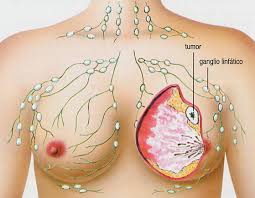
The risk may be as high as 80% for members of some families with BRCA mutations. These cancers tend to occur in younger women and more often affect both breasts than cancers in women who are not born with one of these gene mutations. Women with these inherited mutations also have an increased risk for developing other cancers, particularly ovarian cancer.
In the United States, BRCA mutations are more common in Jewish women of Ashkenazi (Eastern Europe) origin than in other racial and ethnic groups, but they can occur in any racial or ethnic group.
Changes in other genes: Other gene mutations can also lead to inherited breast cancers. These gene mutations are much rarer and often do not increase the risk of breast cancer as much as the BRCA genes. They are not frequent causes of inherited breast cancer.
  • ATM: The ATM gene normally helps repair damaged DNA. Inheriting 2 abnormal copies of this gene causes the disease ataxia-telangiectasia. Inheriting one abnormal copy of this gene has been linked to a high rate of breast cancer in some families.
  • TP53: The TP53 gene gives instructions for making a protein called p53 that helps stop the growth of abnormal cells. Inherited mutations of this gene cause the Li-Fraumeni syndrome. People with this syndrome have an increased risk of breast cancer, as well as several other cancers such as leukemia, brain tumors, and sarcomas (cancers of bones or connective tissue). This is a rare cause of breast cancer.
  • CHEK2: The Li-Fraumeni syndrome can also be caused by inherited mutations in the CHEK2 gene. Even when it does not cause this syndrome, it can increase breast cancer risk about twofold when it is mutated.
  • PTEN: The PTEN gene normally helps regulate cell growth. Inherited mutations in this gene cause Cowden syndrome, a rare disorder in which people are at increased risk for both benign and malignant breast tumors, as well as growths in the digestive tract, thyroid, uterus, and ovaries. Defects in this gene can also cause a different syndrome called Bannayan-Riley-Ruvalcaba syndrome that is not thought to be linked to breast cancer risk.
  • CDH1: Inherited mutations in this gene cause hereditary diffuse gastric cancer, a syndrome in which people develop a rare type of stomach cancer at an early age. Women with mutations in this gene also have an increased risk of invasive lobular breast cancer.
  • STK11: Defects in this gene can lead to Peutz-Jeghers syndrome. People affected with this disorder develop pigmented spots on their lips and in their mouths, polyps in the urinary and gastrointestinal tracts, and have an increased risk of many types of cancer, including breast cancer.
Genetic testing: Genetic testing can be done to look for mutations in the BRCA1 and BRCA2 genes (or less commonly in other genes such as PTEN or TP53). Although testing can be helpful in some situations, the pros and cons need to be considered carefully.
If you are considering genetic testing, it is strongly recommended that first you talk to a genetic counselor, nurse, or doctor qualified to explain and interpret the results of these tests. It is very important to understand what genetic testing can and can't tell you, and to carefully weigh the benefits and risks of genetic testing before these tests are done. Testing is expensive and might not be covered by some health insurance plans.
Family history of breast cancer
Breast cancer risk is higher among women whose close blood relatives have this disease.
Having a first-degree relative (mother, sister, or daughter) with breast cancer almost doubles a woman's risk. Having 2 first-degree relatives increases her risk about 3-fold.
Although the exact risk is not known, women with a family history of breast cancer in a father or brother also have an increased risk of breast cancer.
Overall, less than 15% of women with breast cancer have a family member with this disease. This means that most (85%) women who get breast cancer do not have a family history of this disease.

Personal history of breast cancer

A woman with cancer in one breast has a 3- to 4-fold increased risk of developing a new cancer in the other breast or in another part of the same breast. This is different from a recurrence (return) of the first cancer.

Race and ethnicity

Overall, white women are slightly more likely to develop breast cancer than are African-American women, but African-American women are more likely to die of this cancer. In women under 45 years of age, however, breast cancer is more common in African-American women. Asian, Hispanic, and Native American women have a lower risk of developing and dying from breast cancer.

Dense breast tissue

Women with denser breast tissue (as seen on a mammogram) have more glandular tissue and less fatty tissue, and have a higher risk of breast cancer. Unfortunately, dense breast tissue can also make it harder for doctors to spot problems on mammograms.

Certain benign breast conditions

Women diagnosed with certain benign breast conditions may have an increased risk of breast cancer. Some of these conditions are more closely linked to breast cancer risk than others. Doctors often divide benign breast conditions into 3 general groups, depending on how they affect this risk.
Non-proliferative lesions: These conditions are not associated with overgrowth of breast tissue. They do not seem to affect breast cancer risk, or if they do, it is to a very small extent. They include:
  • Fibrosis and/or simple cysts (sometimes called fibrocystic changes or disease)
  • Mild hyperplasia
  • Adenosis (non-sclerosing)
  • Phyllodes tumor (benign)
  • A single papilloma
  • Fat necrosis
  • Mastitis (infection of the breast)
  • Duct ectasia
  • Periductal fibrosis
  • Squamous and apocrine metaplasia
  • Epithelial-related calcifications
  • Other benign tumors (lipoma, hamartoma, hemangioma, neurofibroma, adenomyoepthelioma)
Proliferative lesions without atypia: These conditions show excessive growth of cells in the ducts or lobules of the breast tissue. They seem to raise a woman's risk of breast cancer slightly (1 ½ to 2 times normal). They include:
  • Usual ductal hyperplasia (without atypia)
  • Fibroadenoma
  • Sclerosing adenosis
  • Several papillomas (called papillomatosis)
  • Radial scar
Proliferative lesions with atypia: In these conditions, there is excessive growth of cells in the ducts or lobules of the breast tissue, with some of cells no longer appearing normal. They have a stronger effect on breast cancer risk, raising it 3½ to 5 times higher than normal. These types of lesions include:
  • Atypical ductal hyperplasia (ADH)
  • Atypical lobular hyperplasia (ALH)
Women with a family history of breast cancer and either hyperplasia or atypical hyperplasia have an even higher risk of developing a breast cancer.
Lobular carcinoma in situ
In lobular carcinoma in situ (LCIS) cells that look like cancer cells are growing in the lobules of the milk-producing glands of the breast, but they do not grow through the wall of the lobules. LCIS (also called lobular neoplasia) is sometimes grouped with ductal carcinoma in situ (DCIS) as a non-invasive breast cancer, but it differs from DCIS in that it doesn’t seem to become invasive cancer if it isn’t treated.
Women with lobular carcinoma in situ (LCIS) have a 7- to 11-fold increased risk of developing cancer in either breast.

Menstrual periods

Women who have had more menstrual cycles because they started menstruating early (before age 12) and/or went through menopause later (after age 55) have a slightly higher risk of breast cancer. The increase in risk may be due to a longer lifetime exposure to the hormones estrogen and progesterone.

Previous chest radiation

Women who as children or young adults were treated with radiation therapy to the chest area for another cancer (such as Hodgkin disease or non-Hodgkin lymphoma) have a significantly increased risk for breast cancer. This varies with the patient's age when they got the radiation. If chemotherapy was also given, it might have stopped ovarian hormone production for some time, lowering the risk. The risk of developing breast cancer from chest radiation is highest if the radiation was given during adolescence, when the breasts were still developing. Radiation treatment after age 40 does not seem to increase breast cancer risk.

Diethylstilbestrol (DES) exposure

From the 1940s through the early 1970s some pregnant women were given an estrogen-like drug called DES because it was thought to lower their chances of losing the baby (miscarriage). These women have a slightly increased risk of developing breast cancer. Women whose mothers took DES during pregnancy may also have a slightly higher risk of breast cancer

Breast Cancer


The importance of finding breast cancer early

The goal of screening exams for early breast cancer detection is to find cancers before they start to cause symptoms.Screening refers to tests and exams used to find a disease, such as cancer, in people who do not have any symptoms. Early detection means using an approach that lets breast cancer get diagnosed earlier than otherwise might have occurred.
Breast cancers that are found because they are causing symptoms tend to be larger and are more likely to have already spread beyond the breast. In contrast, breast cancers found during screening exams are more likely to be smaller and still confined to the breast. The size of a breast cancer and how far it has spread are some of the most important factors in predicting the prognosis (outlook) of a woman with this disease.
Most doctors feel that early detection tests for breast cancer save thousands of lives each year, and that many more lives could be saved if even more women and their health care providers took advantage of these tests. Following the American Cancer Society's guidelines for the early detection of breast cancer improves the chances that breast cancer can be diagnosed at an early stage and treated successfully.

What are the risk factors for breast cancer?

A risk factor is anything that affects your chance of getting a disease, such as cancer. Different cancers have different risk factors. For example, exposing skin to strong sunlight is a risk factor for skin cancer. Smoking is a risk factor for cancers of the lung, mouth, larynx (voice box), bladder, kidney, and several other organs.
But risk factors don't tell us everything. Having a risk factor, or even several, does not mean that you will get the disease. Most women who have one or more breast cancer risk factors never develop the disease, while many women with breast cancer have no apparent risk factors (other than being a woman and growing older). Even when a woman with risk factors develops breast cancer, it is hard to know just how much these factors might have contributed to her cancer.
There are different kinds of risk factors. Some factors, like a person's age or race, can't be changed. Some are related to personal behaviors such as smoking, drinking, and diet. Still others are linked to cancer-causing factors in the environment. Some factors influence risk more than others, and your risk for breast cancer can change over time, due to factors such as aging or lifestyle changes.